Chiang Mai's Temple Trail
Chiang Mai is known as the "Rose of the North" and has over 300 Buddhist temples within the city limits. The Old City, surrounded by a moat and fragments of the original medieval walls, contains the highest concentration.
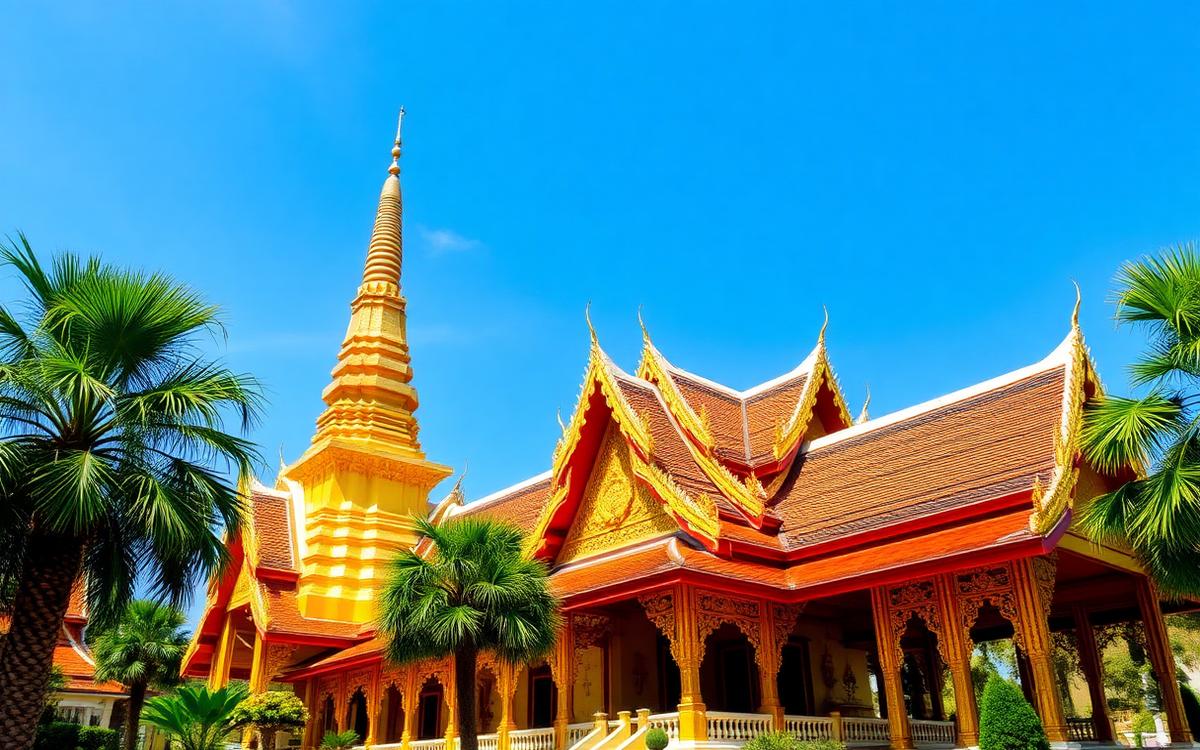
Wat Chedi Luang is the most impressive within the Old City walls. Built in 1441, the massive (partially ruined) chedi once housed the Emerald Buddha. Evening monk chats let you talk with novice monks practising English.
Wat Phra Singh holds Chiang Mai's most revered Buddha image and features beautiful Lanna-style architecture. The interior murals depicting scenes of daily northern Thai life are exquisite.
Wat Suan Dok (outside the Old City) contains the ashes of Chiang Mai's royal family in a stunning collection of white chedis. The sunset views from here are spectacular.
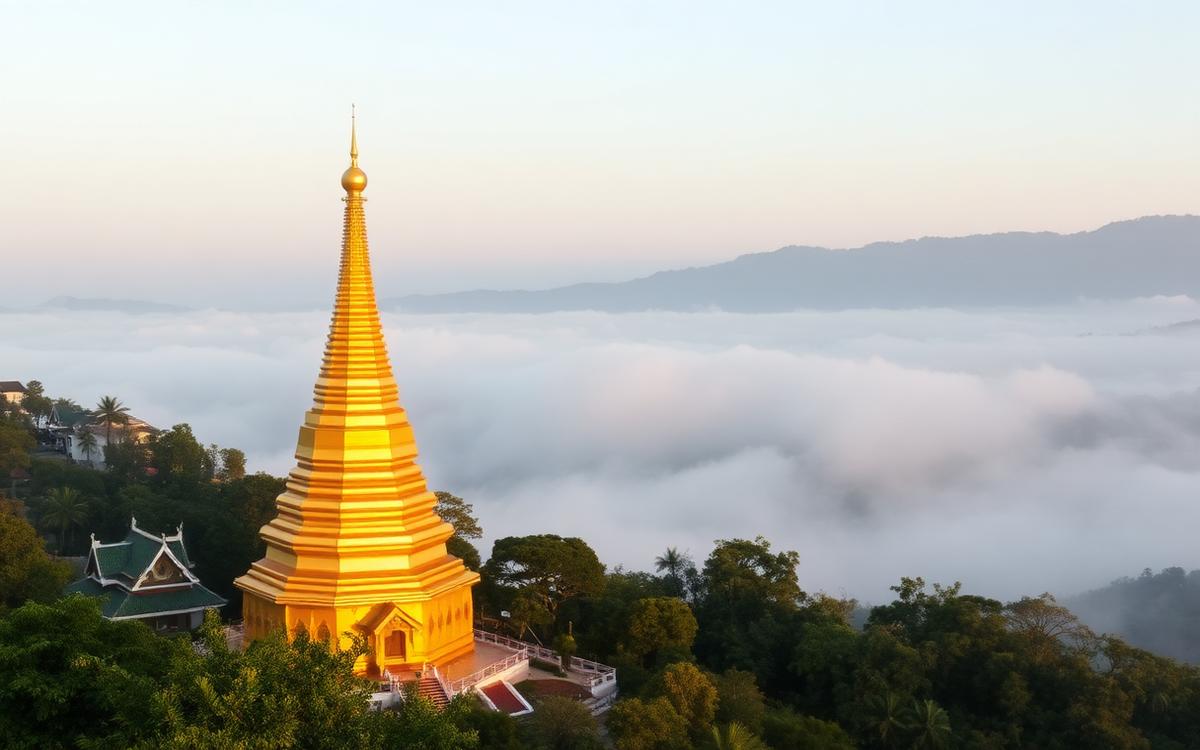
Doi Suthep — the hilltop temple 15km from the city — is Chiang Mai's most iconic sight. Climb the 309-step Naga staircase (or take the cable car) for panoramic valley views. Visit early morning to avoid crowds.
Food & Cooking Classes
Chiang Mai is a food lover's paradise with distinct Northern Thai (Lanna) cuisine that differs significantly from Bangkok.
Must-try dishes: Khao Soi (coconut curry noodle soup with crispy egg noodle topping — the #1 dish to eat in Chiang Mai), Sai Ua (spicy northern sausage packed with herbs), Nam Prik Ong (tomato-pork chili dip), and Khanom Jeen Nam Ngiao (rice noodles in spicy tomato-pork broth).
Where to eat: The best Khao Soi is at Khao Soi Khun Yai (near Wat Lok Molee) and Khao Soi Lam Duan Fah Ham. For the full Lanna experience, try the Khantoke dinner — a traditional northern Thai feast served on a round tray while watching cultural performances.
Cooking classes are Chiang Mai's most popular activity. Half-day classes from ฿900 include a market tour, hands-on cooking of 4–5 dishes, and a recipe book. Top picks: Thai Farm Cooking School, Mama Noi, and Asia Scenic.
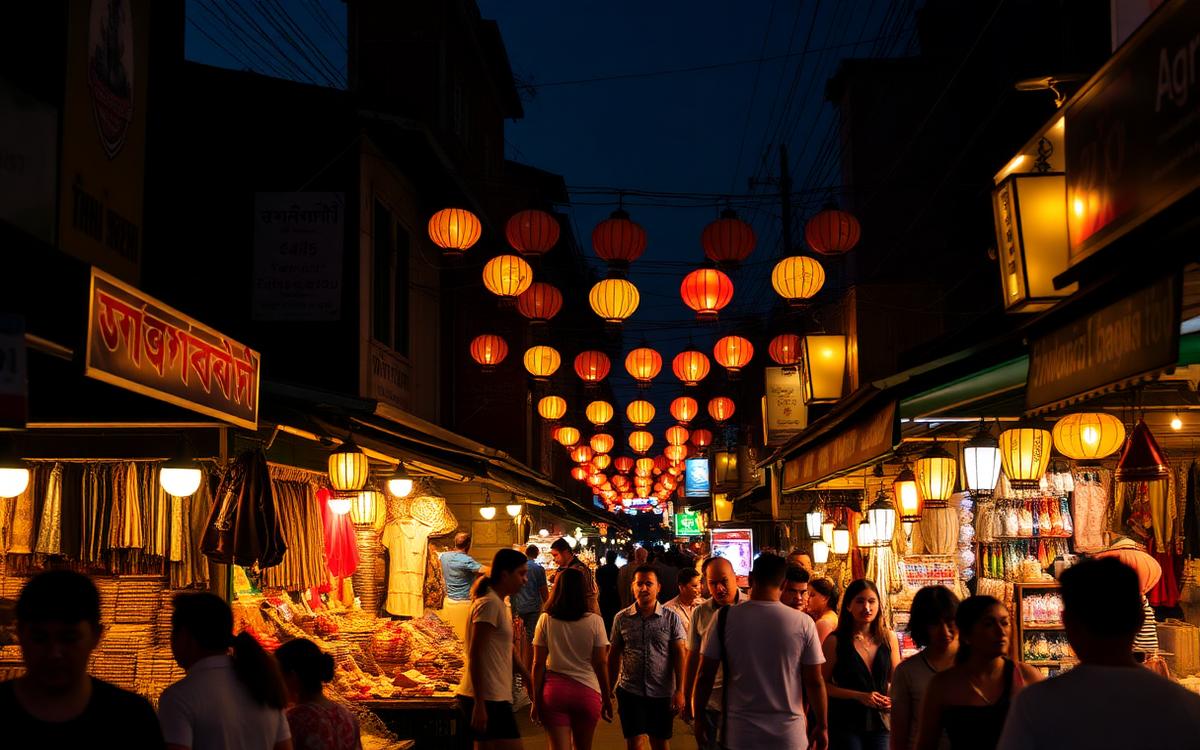
Markets: Warorot Market (locals' market with incredible food halls), Saturday Walking Street (Wualai Road), and Sunday Walking Street (Ratchadamnoen Road).
Adventure & Nature
Doi Inthanon National Park — Thailand's highest peak (2,565m) is a 90-minute drive from the city. Highlights include the twin Royal Pagodas, the Ang Ka boardwalk through mossy cloud forest, and several waterfalls. Day trips from ฿1,200.
Elephant sanctuaries: Chiang Mai pioneered ethical elephant tourism. Elephant Nature Park (founded by Lek Chailert) is the gold standard — full-day visits from ฿2,500. You walk with, feed, and bathe rescued elephants. Never ride elephants.
Sticky Waterfalls (Bua Tong) — 60km north of the city, these unique limestone waterfalls have a calcium deposit that makes the surface grippy — you can literally walk up the waterfall. Free entry, bring water shoes.
White Temple (Wat Rong Khun) — 3 hours north in Chiang Rai, this contemporary art-temple by Chalermchai Kositpipat is one of Thailand's most Instagrammed buildings. Worth a day trip or overnight.
Trekking: Multi-day treks through hill-tribe villages, rice terraces, and jungle waterfalls start from ฿1,500/day. The Mae Hong Son loop (scooter or car) is a 600km circuit through Thailand's most dramatic mountain scenery.
Digital Nomad Scene
Chiang Mai is consistently ranked as the world's #1 digital nomad destination thanks to ultra-low costs, fast internet, and a thriving community.
Cost of living: A comfortable lifestyle costs ฿25,000–35,000/month ($700–$1,000) including rent, food, co-working, and entertainment. Budget nomads manage on ฿15,000–20,000.
Co-working spaces: Punspace (multiple locations, 24/7, from ฿2,500/month), CAMP at Maya Mall (free!), Heartspace, and Yellow. Most cafés also have fast WiFi.
Best neighbourhoods: Nimmanhaemin (Nimman) is the trendy hub with cafés, galleries, and nightlife. The Old City is cheaper and more cultural. Santitham (north of Nimman) offers the best value.
Visa options: 60-day visa-free entry (extendable by 30 days), Tourist Visa (60 days), Education Visa (Thai language or Muay Thai, up to 1 year), or the new LTR Digital Nomad Visa (10 years, for those earning $80,000+/year). See our visa guide for full details.
Getting Around Chiang Mai
Chiang Mai is much easier to navigate than Bangkok. The Old City is compact and walkable (1.5km across). Beyond the moat, you'll need wheels.
Songthaew (red trucks): Shared red pickup trucks that function as buses. Flag one down, tell the driver where you're going, and pay ฿30–50. For longer distances, negotiate a price first.
Grab: Works well in Chiang Mai. Most rides within the city cost ฿40–100.
Scooter rental: The most popular option for visitors. ฿200–300/day for an automatic Honda Click. Helmets required by law. Drive carefully — Chiang Mai traffic is busy but manageable.
Bicycle: Great for the Old City and Nimman area. Hostels often lend bikes for free, or rent for ฿50/day.
Day trip transport: For Doi Inthanon, Doi Suthep, or the Sticky Waterfalls, either rent a scooter, join a tour, or hire a songthaew for the day (฿800–1,500).