How to Get from Chiang Mai to Pai
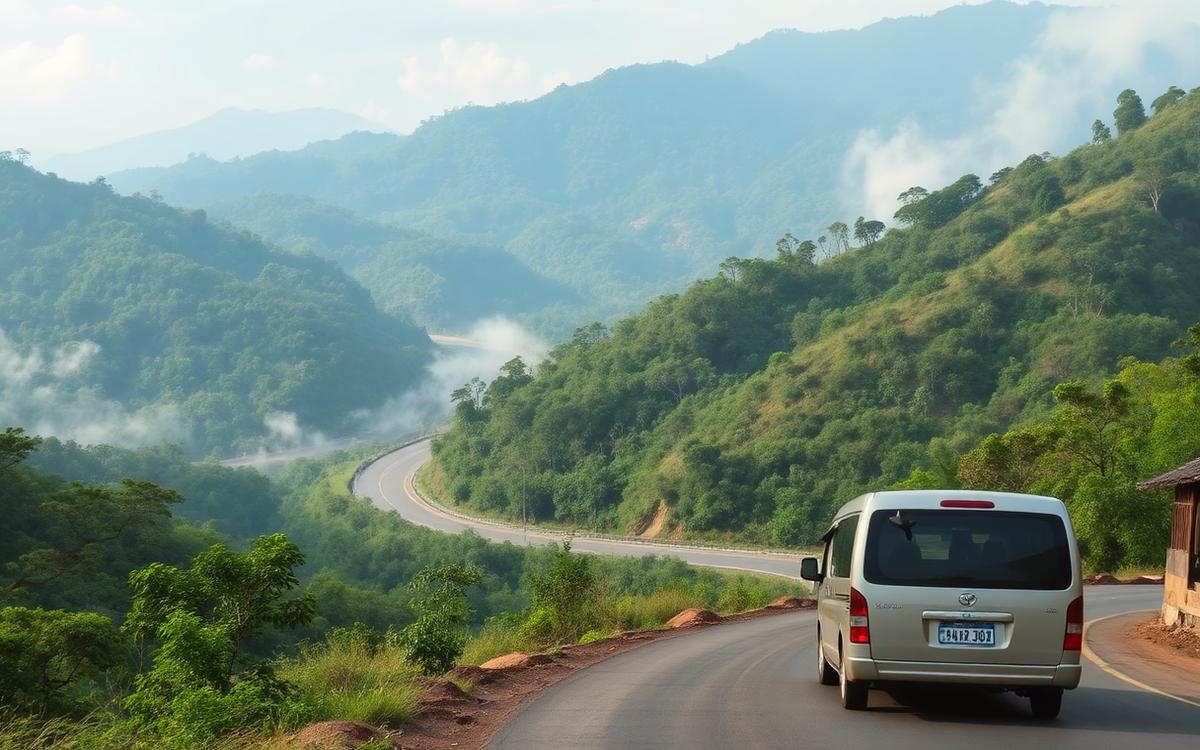
Pai sits about 130 km northwest of Chiang Mai, but the drive takes much longer than the distance suggests. Route 1095 climbs through forested mountains and is often described as having 762 curves — it's the defining part of any trip to Pai.
Minivan: The most common option. Several companies run minivans from Chiang Mai's Arcade Bus Station and from hotel pickups in the Old City. The journey usually takes around 3–4 hours including a short rest stop, and fares are typically in the range of ฿150–฿300. Prices and schedules change, so check current options before you go.
Public bus: A slower, larger bus has historically run on this route too. It takes longer (often 4 hours or more) but larger vehicles tend to sway less on tight bends, which some travellers with motion sickness prefer.
Private transfer: A car with a driver costs considerably more but lets you stop at viewpoints and go at your own pace — a good choice for families or groups.
Self-drive / scooter: Popular with experienced riders, but the road is steep and winding with sharp hairpins. Only attempt it if you are confident on mountain roads, hold the correct licence and have proper insurance.
For full details and booking, see our Chiang Mai to Pai route guide. Coming from the capital first? Start with Bangkok to Chiang Mai.
Motion Sickness: Practical Tips for the 762 Curves
The road to Pai is well known for making passengers queasy. A few simple steps help a lot:
- Take motion sickness tablets about 30–60 minutes before departure (ask a pharmacy in Chiang Mai — they are easy to find).
- Sit near the front of the minivan and look at the horizon rather than your phone.
- Eat lightly before the trip and avoid a heavy or greasy meal.
- Bring water and a plastic bag, just in case.
- Travel in the morning when you're fresh; the road is also easier in daylight.
- If you are especially sensitive, consider the bigger bus or a private car, where you can ask the driver to slow down and stop.
Things to Do in Pai
Pai Canyon — Around 8 km south of town, a network of narrow ridges with steep drops on each side. Sunset is the busiest and most beautiful time. The paths are unfenced, so take care, especially after rain.
Hot springs — There are natural hot springs in the area, including Tha Pai Hot Springs south of town and the Sai Ngam hot spring set in the forest. Entry fees apply at some springs, especially those within national park areas, and are usually modest.
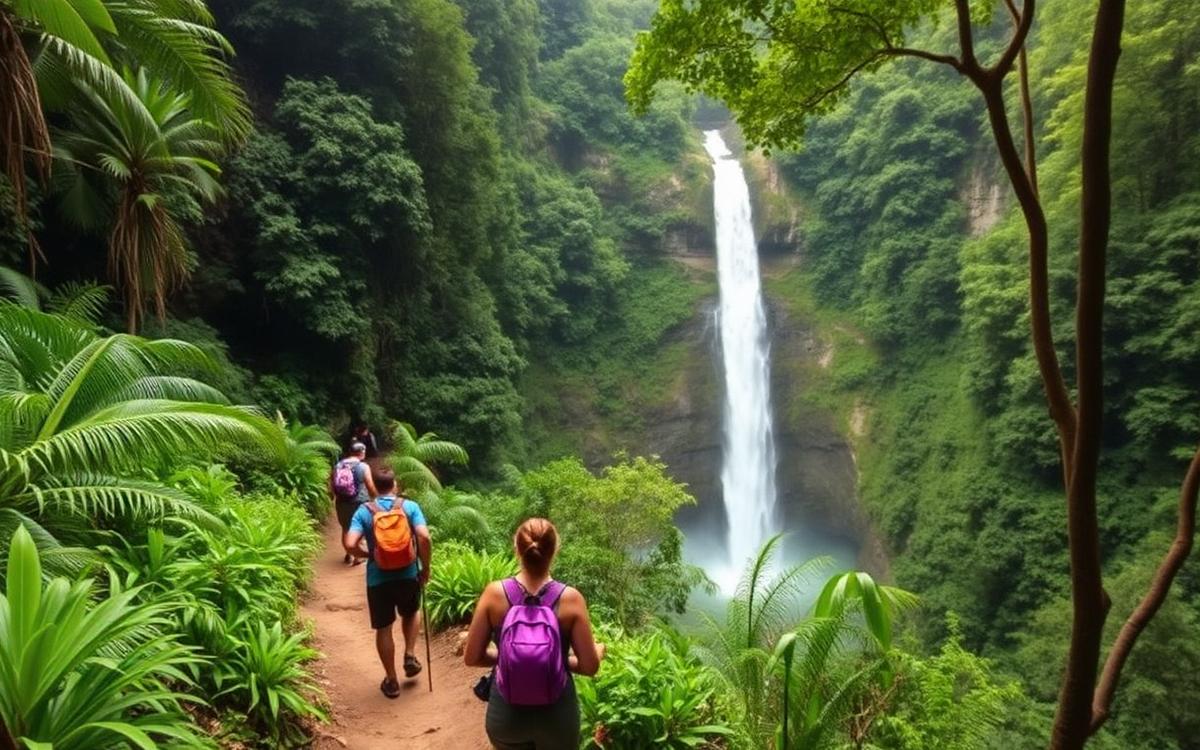
Waterfalls — Mo Paeng Waterfall is the easiest to reach and has small pools for a dip. Pam Bok Waterfall sits in a narrow gorge. Water levels are highest during and just after the rainy season.
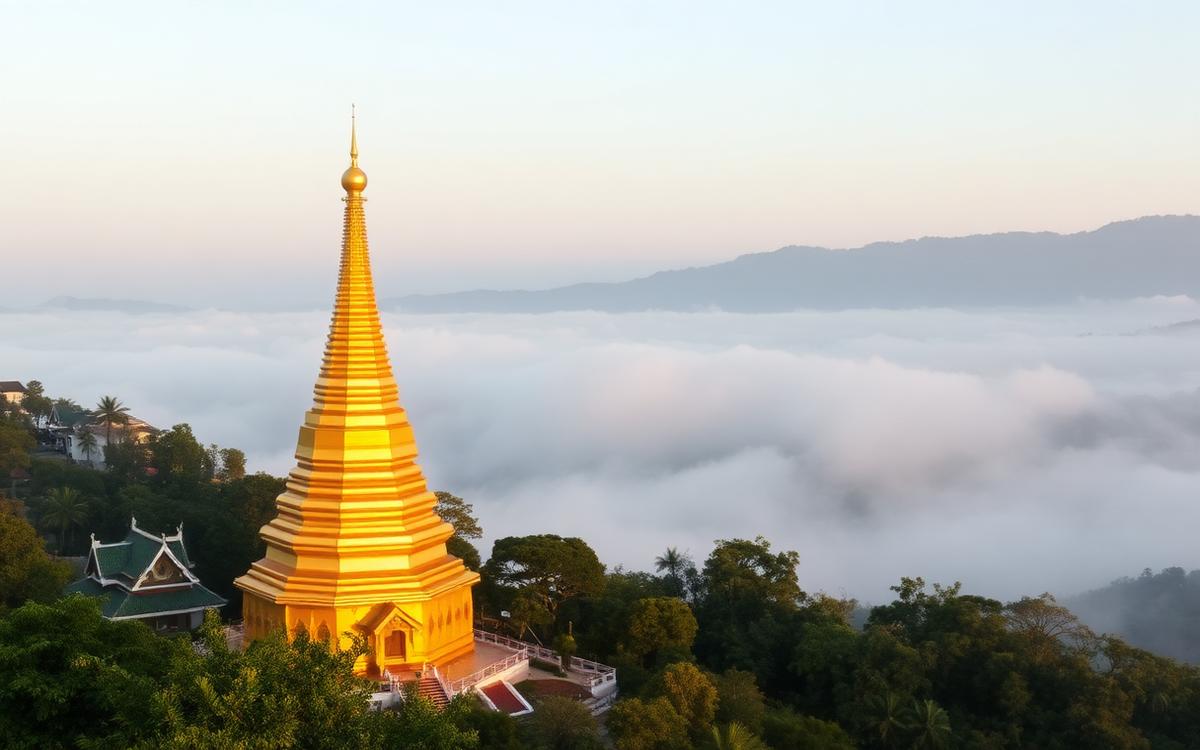
Temples — Wat Phra That Mae Yen, the hilltop "White Buddha", rewards the stair climb with views over the whole valley. In town, Wat Klang and Wat Luang are quiet, traditional northern-style temples.
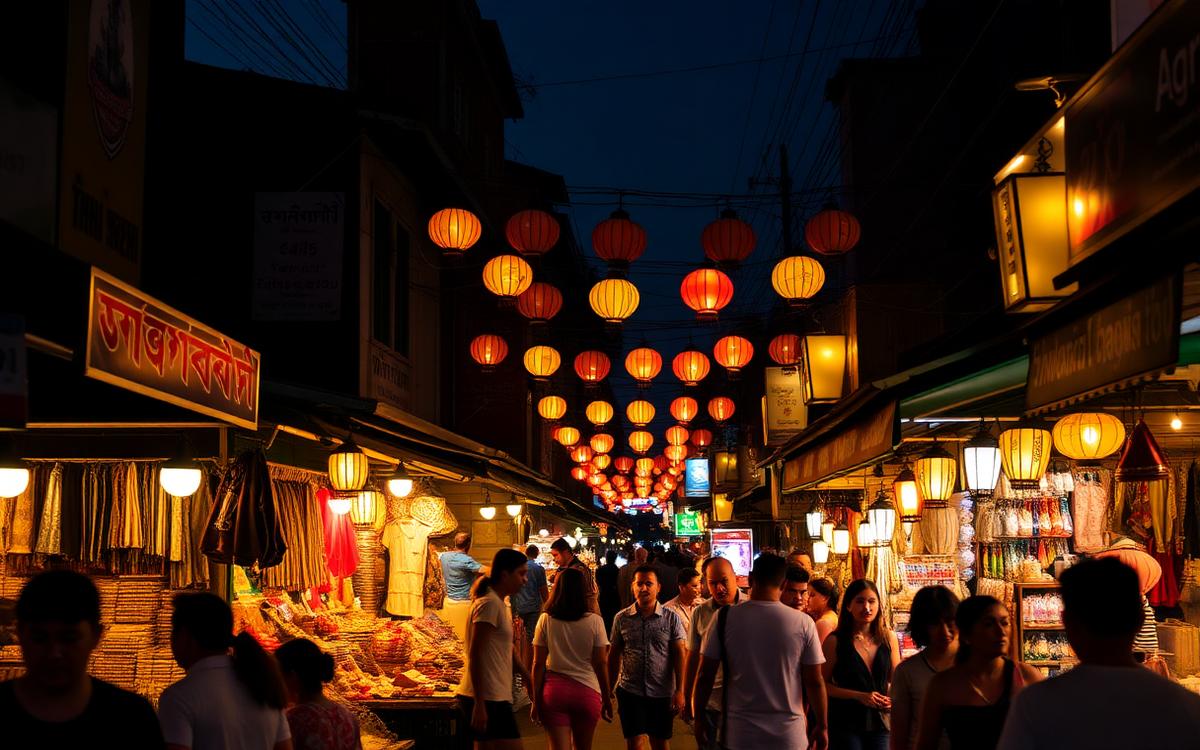
Walking Street — Each evening the main street becomes a market of food stalls, handicrafts and small bars. Try northern dishes like khao soi (see our Thai food guide).
Countryside — Rice fields, the WWII Memorial Bridge, Land Split and Chinese Yunnan Village (Santichon) are easy to combine on a half-day loop by scooter or with a local driver.
Where to Stay in Pai
In town: Guesthouses and small hotels within walking distance of the Walking Street. Convenient if you don't plan to rent a scooter, though it can be noisier in the evenings.
Just outside town: Bungalows and boutique resorts among rice fields and along the Pai River. Quieter and more scenic, but you'll need transport to reach the centre.
Budget to mid-range: Pai is generally good value, with simple bungalows and hostels at the lower end and boutique stays with pools at the higher end. Prices tend to rise in the cool season (especially December–January), when it's worth booking ahead.
Compare current options on Agoda.
Practical Tips for Visiting Pai
- Scooter rental warning: Renting a scooter is common, but accidents involving inexperienced riders are frequent. Wear a helmet, check that your travel insurance covers motorbikes, and carry the correct licence — police checkpoints do occur.
- Bring layers: Nights and early mornings in the cool season can be surprisingly cold.
- Cash: There are ATMs in town, but smaller cafés and guesthouses may prefer cash.
- Minivan vs bus: Minivans are faster and more frequent; buses are slower but can feel steadier. Book return trips a day or two ahead in high season.
- Haze season: In March–April, air quality in northern Thailand can be poor. Check conditions if you have respiratory concerns.
- Combine with the north: Pai pairs well with [Chiang Mai](/destinations/chiang-mai) and [Chiang Rai](/routes/chiang-mai-to-chiang-rai) on a northern Thailand loop.