Hat Yai Travel Guide: Understanding the City
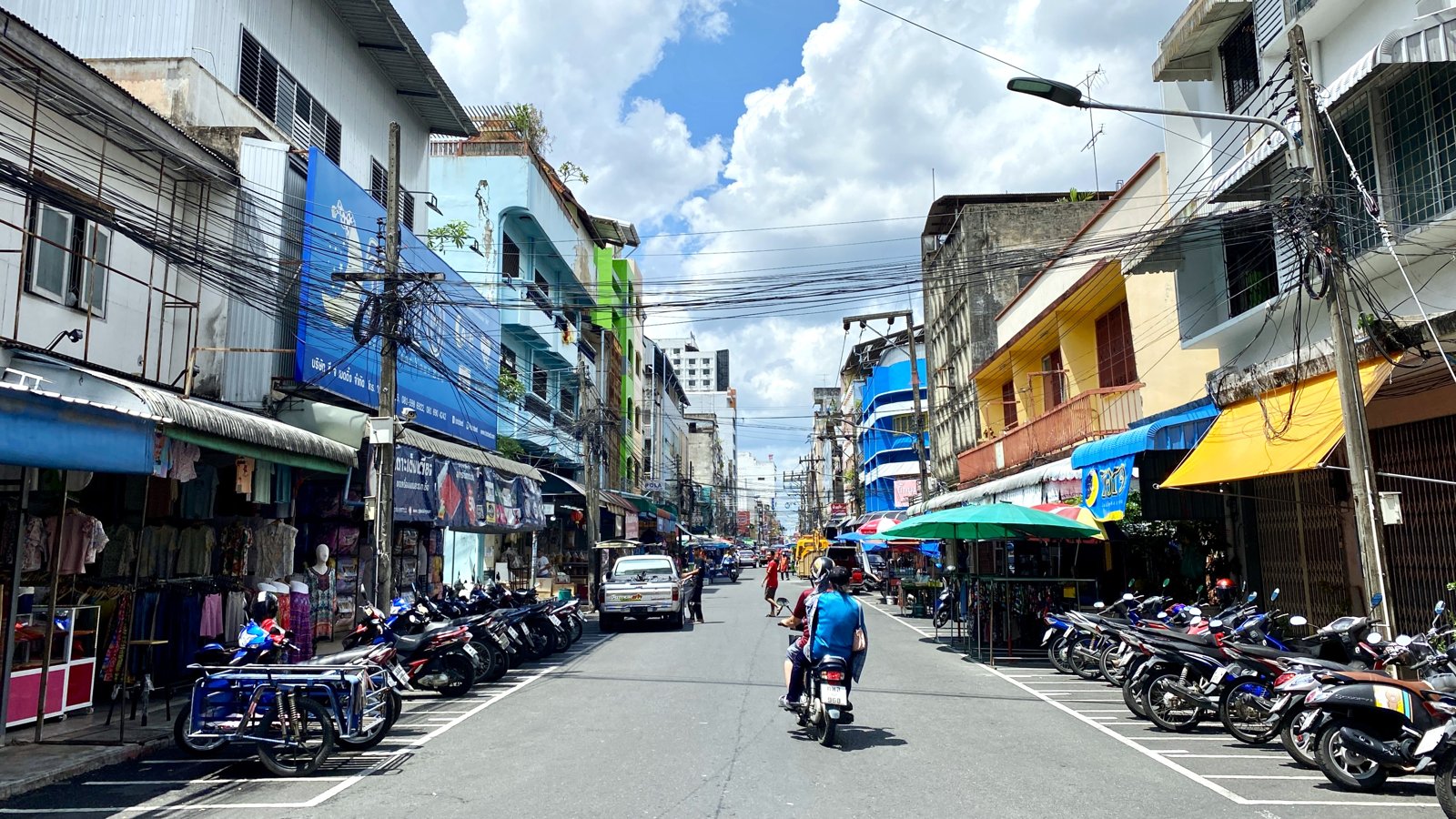
Hat Yai is in Songkhla province, in Thailand's far south. It is an inland commercial centre rather than a beach resort. Travellers come for shopping, southern food and onward transport, with forested hills and the coast of Songkhla available as separate excursions. The city makes a useful change of pace after island hopping, but it deserves more than a hurried station transfer.
Its trading links with Malaysia are visible in the shops, food and visitors. Thai-Chinese and Muslim communities contribute to a varied dining scene. Rather than expecting a compact heritage quarter like Phuket Old Town, plan around individual neighbourhoods and outings. Downtown is convenient on foot; the park, waterfall and border crossings require additional transport.
Allow a flexible couple of days if you want both the centre and an outdoor excursion. This is an itinerary suggestion, not a required stay. Travellers continuing to Malaysia may prefer a buffer night before an international connection. Leave your longer journey until after you have enjoyed the markets instead of treating every attraction as a stop between buses.
How to Get to Hat Yai from Bangkok, Phuket and Krabi
From Bangkok: Direct domestic flights are the quickest option, with an approximate flying time of one and a half hours. Allow extra time for airport transfers and check-in. Southern-line trains reach Hat Yai Junction, while long-distance buses offer an overnight alternative. Compare the trade-offs in our Bangkok to Hat Yai route guide; schedules and seat availability must be checked for your travel date.
From Phuket: Travel is normally by mainland road, not an island ferry. Look for buses or minivans departing from the terminal named on your ticket. As a broad planning estimate, allow around seven to nine hours, potentially longer with stops or traffic. A beach pickup can add time before the main journey even starts. See our Phuket guide when choosing where to stay before departure.
From Krabi: Mainland buses and minivans can connect the region with Hat Yai. Allow approximately five to seven hours as a planning estimate, not a guaranteed timetable. Krabi Town, Ao Nang and the airport are different pickup locations; confirm which one is included. Our Krabi guide helps you plan the preceding stop. Do not book a tight onward border connection using estimated road times.
Hat Yai Municipal Park and Hilltop Views
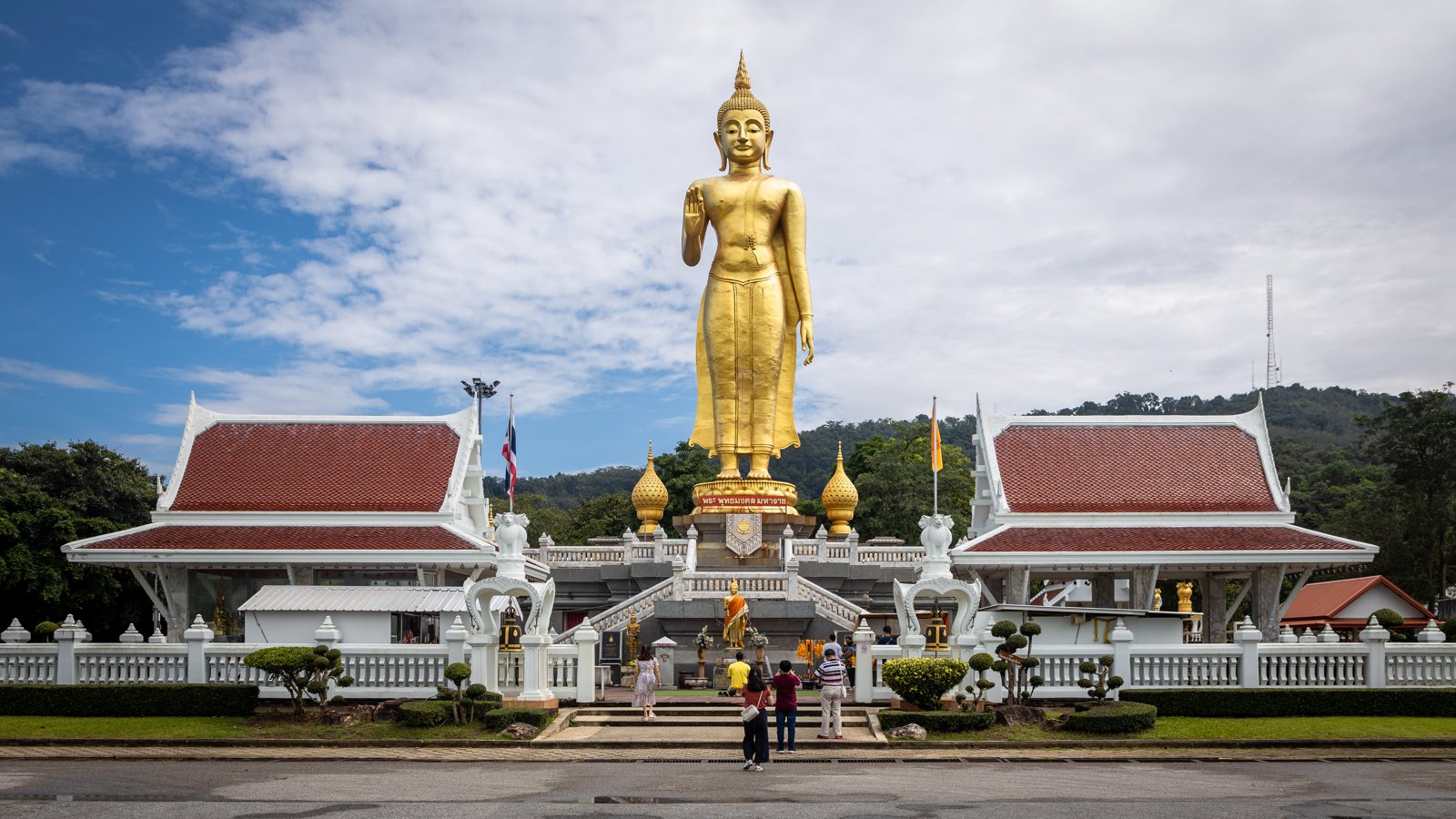
The municipal park is one of Hat Yai's most distinctive outings. Its hilltop religious sites include the standing golden Phra Phutthamongkol Maharat Buddha, with views across the city. The park is larger than a downtown square: getting to its upper viewpoints involves hills and exposed stretches. Decide whether you want a walk or a driver rather than assuming every landmark is beside the entrance.
Visit earlier in the day or later in the afternoon to avoid the strongest heat. Carry drinking water, use sun protection and dress respectfully at temples. A cable car has operated in the park, but treat it as an optional attraction and confirm current service before planning around it. Arrange a return ride, especially if your driver drops you at an upper viewpoint.
The park combines naturally with an unhurried city day rather than a rushed waterfall-and-border itinerary. Clouds can obscure the panorama, and rain makes steps slippery. There is still value in the temple visit when visibility is poor, but avoid committing to an exposed climb during thunderstorms.
Ton Nga Chang Waterfall: A Forest Day Trip
Ton Nga Chang Waterfall lies within a wildlife sanctuary outside Hat Yai. The Thai name refers to elephant tusks: at the best-known split in the cascade, two streams resemble a pair of tusks. The waterfall has several tiers, but that does not mean every level is an easy or officially accessible walk. Follow the routes and instructions given by sanctuary staff.
Arrange a driver or suitable transport with a clear return plan. Bring shoes with grip, drinking water and a change of clothes if you hope to use permitted bathing areas. Rocks can be slippery even when the weather in town looks dry. Rain upstream can change water conditions quickly; do not enter closed trails or swim where staff advise against it.
Check current access, weather notices and entry arrangements before setting out. This guide does not promise year-round swimming or give an unverified entrance fee. Visitors wanting a gentle outing can enjoy the lower accessible areas without attempting a demanding climb. Keep food secured, take rubbish away and give wildlife space.
Kim Yong Market, Food and Shopping
Kim Yong Market is a downtown shopping landmark, known for dried goods, snacks, nuts and imported products. Browse slowly and compare stalls before buying. Ask about ingredients and packaging if you have allergies or plan to carry food across a border. A sealed packet is not automatically permitted by another country's customs rules.
Hat Yai's food scene extends beyond one market. Look for southern Thai dishes, Thai-Chinese breakfasts and Muslim restaurants. Halal suitability should be confirmed with the business rather than assumed from the neighbourhood. Our Thai food guide gives broader context for dishes you may encounter. Choose freshly prepared food and drink safe water.
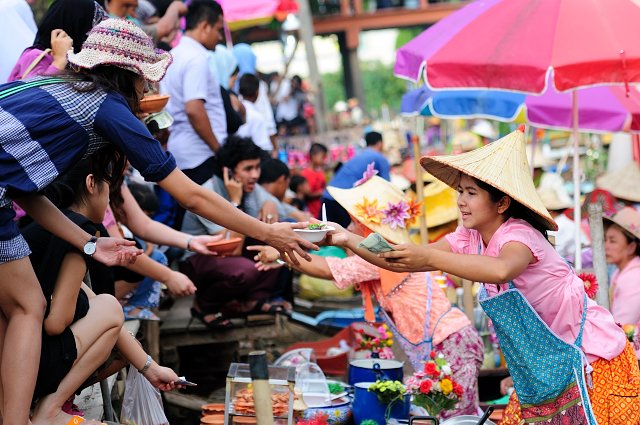
Khlong Hae Floating Market is a separate attraction outside the central shopping area. Its boats and canal setting offer a different experience from Kim Yong's land-based stalls. Confirm operating days before arranging transport; they are not interchangeable markets. Carry smaller cash denominations, keep valuables secure in crowds and leave room in your bag rather than buying more than you can transport.
From Hat Yai to Malaysia: Road and Rail Gateways
Hat Yai is a gateway to Malaysia, not itself an immigration checkpoint. Two commonly used options are the Sadao–Bukit Kayu Hitam road crossing and Padang Besar, which has road and rail connections. Choose according to your onward destination and the actual transport service. Do not assume a local ride to a border includes a through ticket to Penang or Kuala Lumpur.
At Padang Besar, confirm whether your ticket involves a train change and where immigration takes place. A road crossing is a different journey from the railway station. At Sadao, confirm the current checkpoint location and operating arrangements with your carrier. Malaysia is one hour ahead of Thailand, so read onward departure times in the correct local time zone.
ASEAN is a regional grouping, not a shared open-border visa area. Entry eligibility depends on nationality and current rules. Check passport validity, visa requirements and any arrival declaration on the Malaysian Immigration Department website. Keep bookings and travel documents accessible. Allow time for queues and avoid presenting a same-day connection as guaranteed.
Where to Stay in Hat Yai
Budget: Simple guesthouses and smaller hotels around the centre suit travellers who prioritise markets and transport access. Check recent information about noise, air-conditioning and reception hours. An early arrival from a night train does not necessarily include early check-in; ask whether luggage can be left securely.
Mid-range: Central hotels with lifts, reliable reception and comfortable rooms can be practical for families or short stays. Compare the location on a map rather than choosing only from the word 'central'. Staying near your preferred evening food area reduces the need for extra rides after dinner.
Luxury: Larger full-service hotels may offer pools, restaurants and more spacious rooms. Hat Yai is not a beachfront resort destination, so judge the facilities you will actually use rather than expecting an island-style setting. These categories are general descriptions, not price bands or endorsements of individual properties. Confirm current amenities directly before booking.
Best Time to Visit and Practical Planning
February and March are often relatively dry, while late-year rainfall can disrupt outings. Hat Yai should not inherit Phuket's dry-season advice without qualification. Check local forecasts for heavy rain and flooding, especially before a road journey or waterfall visit. Holiday weekends and Malaysian school breaks can also affect demand, so confirm rooms and transport ahead of time.
- Keep your arrival day light: check in, explore the centre and plan the next outing.
- Reserve a separate daylight window for the municipal park or waterfall.
- Confirm onward transport and immigration requirements before a Malaysia crossing.
- Use current official travel advice for Songkhla and any provinces on your route; regional advice can differ.
Source information: Songkhla provincial waterfall guide and local government municipal park guide. Photos: standing Buddha by Supanut Arunoprayote, CC BY 4.0.jpg); city streets by Slleong, CC0; Khlong Hae market by Fisher, CC BY-SA 3.0. Images have been resized.