Thailand Festivals and Dates 2026: The Ultimate Guide to Thailand's Most Famous Celebrations
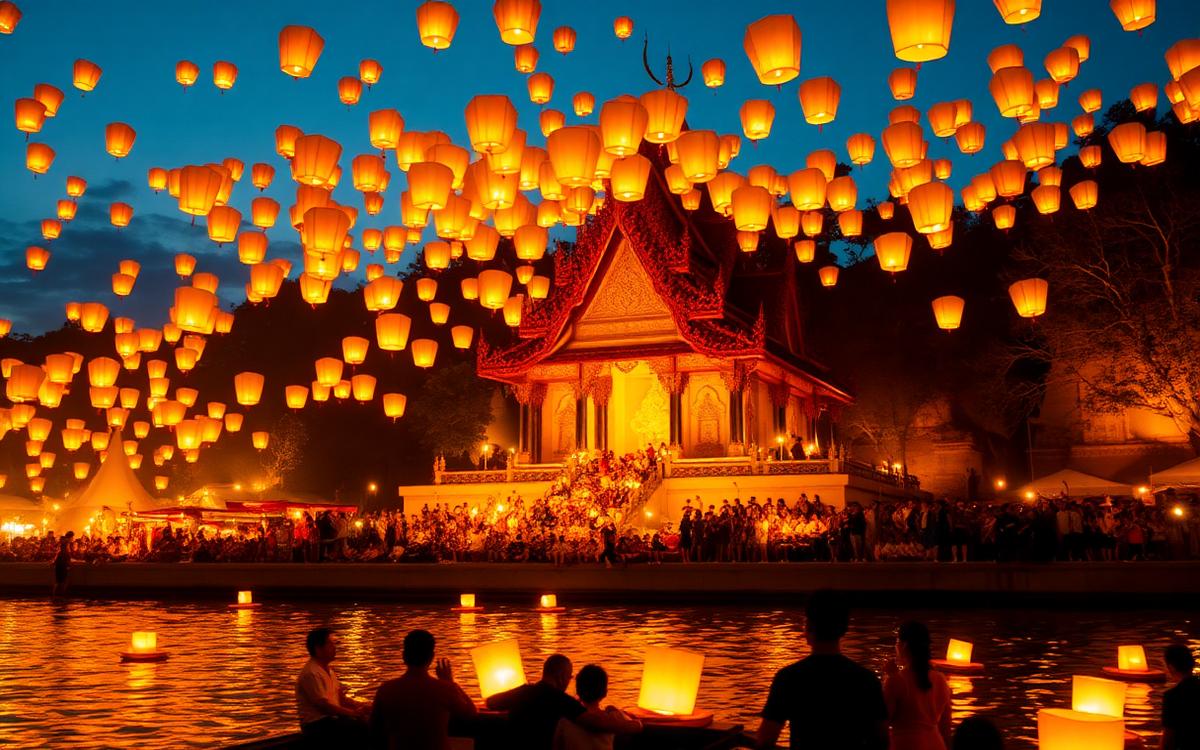
Thailand is one of Southeast Asia's most exciting cultural destinations, and visiting during a festival lets you experience the country at its most vibrant. From massive water fights and glowing lantern releases to spiritual temple ceremonies and colorful parades, Thailand festivals offer something every traveler will remember.
If you are planning a 2026 Thailand trip, timing your visit around a major celebration is one of the best ways to connect with local culture. This guide covers the most famous festivals in Thailand, their typical dates, where to celebrate, and practical tips for visitors.
Quick tip: Some Thai festivals follow the lunar calendar, so exact dates can shift. Always confirm official dates before booking flights or accommodation.
Quick Overview: Thailand Festival Calendar 2026
| Festival | Typical Month | Best Destination |
|---|---|---|
| Chinese New Year | January–February | Bangkok Chinatown |
| Songkran Festival | April 13–15 | Chiang Mai, Bangkok, Phuket |
| Phi Ta Khon (Ghost Festival) | June–July | Dan Sai, Loei |
| King's Birthday | July 28 | Nationwide |
| Phuket Vegetarian Festival | September–October | Phuket |
| Loy Krathong Festival | November | Sukhothai, Chiang Mai, Bangkok |
| Yi Peng Lantern Festival | November | Chiang Mai |
Songkran Festival (April 13–15)
Songkran is Thailand's traditional New Year and the country's most famous festival. Held every year from April 13 to April 15, it has become known around the world for its massive nationwide water fights.
History and Meaning
Songkran marks the start of the traditional Thai New Year. The word comes from Sanskrit and refers to the sun's movement into a new zodiac sign. Originally, the festival involved gently pouring scented water over Buddha statues and the hands of elders as a sign of respect and purification.
Water Festival Traditions
Today, Songkran has evolved into a joyful street party. Locals and tourists arm themselves with water guns, buckets and hoses, turning cities into giant water fights. It is hot in April, so the cool water is a welcome relief.
Religious Customs
Despite the modern fun, many Thais still observe traditional customs during Songkran. Families visit temples, make merit, and pour fragrant water over the hands of parents and grandparents to ask for blessings.
Best Places to Celebrate
- Chiang Mai: The old city moat becomes the center of one of Thailand's biggest water fights.
- Bangkok: Khao San Road and Silom host lively street parties.
- Phuket and Pattaya: Beach towns combine water fights with parties and events.
Songkran Travel Tips
- Book accommodation at least one month in advance.
- Waterproof your phone, cash and passport.
- Wear quick-dry clothing and comfortable shoes.
- Respect elders and monks — not everyone wants to be soaked.
Chinese New Year (January or February)
Thailand has one of the largest Chinese communities outside China, making Chinese New Year a major event, especially in Bangkok. The festival falls in January or February, depending on the lunar calendar.
Why It Is Important in Thailand
Chinese New Year reflects the deep influence of Thai-Chinese culture on the country's food, business and traditions. It is celebrated with family gatherings, temple visits and offerings for good fortune.
Bangkok Chinatown Celebrations
Yaowarat Road, Bangkok's Chinatown, becomes the heart of the celebration. Expect:
- Dragon and lion dances
- Traditional music and performances
- Fireworks and firecrackers
- Red lanterns decorating the streets
- Special street food stalls and festival dishes
Food, Performances, and Parades
Visitors can enjoy dumplings, steamed buns, sweet rice cakes and other Chinese-Thai specialties. Parades wind through Chinatown with dancers, drummers and elaborate costumes.
Phi Ta Khon (Ghost Festival)
Phi Ta Khon, also known as the Ghost Festival, is one of Thailand's most unique cultural events. It takes place in Dan Sai, a small town in Loei Province in northeastern Thailand.
Location
Dan Sai sits in the mountains of Loei Province. The festival draws visitors who want to see a celebration very different from the better-known events in Bangkok or Chiang Mai.
Cultural Significance
Phi Ta Khon combines Buddhist beliefs with local folklore. The festival is linked to a legend about the Buddha's last great incarnation and is believed to help protect the community.
Costumes and Parades
Participants wear handmade ghost masks with long noses, bright colors and exaggerated features. They dress in ragged costumes and parade through the streets to music, creating a lively and surreal atmosphere.
Best Time to Visit
Phi Ta Khon usually takes place in June or July, often tied to the local rocket festival and religious calendar. Check exact dates in advance because the festival spans several days with different events.
Phuket Vegetarian Festival
The Phuket Vegetarian Festival is one of Thailand's most intense and spiritual celebrations. Held over nine days in September or October, it is centered on purification, faith and vegetarian food.
Festival History
The festival originated with Chinese immigrants in Phuket who believed that abstaining from meat and observing strict rituals would bring good health and fortune. Over time, it grew into one of the island's most important annual events.
Vegetarian Traditions
During the festival, participants follow a strict vegetarian or vegan diet. Many wear white clothing and visit Chinese shrines to make merit. Street vendors across Phuket sell a wide range of meat-free Thai and Chinese dishes.
Cultural Ceremonies
The festival is famous for its processions, which include firewalking, body piercing and shrine parades. Devotees believe that spiritual possession protects them from pain and injury during these rituals.
Travel Advice
- Book hotels early, especially near Phuket Town.
- Be respectful when photographing ceremonies and participants.
- Try the vegetarian food — it is delicious and widely available.
- Some processions can be intense; keep a safe distance.
Loy Krathong Festival
Loy Krathong is one of Thailand's most beautiful and romantic festivals. Celebrated on the evening of the full moon in the twelfth lunar month, it usually falls in November.
Meaning of Floating Krathongs
A krathong is a small floating basket traditionally made from banana leaves, flowers, incense and a candle. Releasing a krathong onto the water symbolizes letting go of bad luck, anger and negative thoughts, and welcoming new beginnings.
Cultural Traditions
People gather at rivers, lakes and canals after dark. They light the candle and incense, make a wish, and gently place their krathong on the water. Many also include a coin or nail clipping to represent releasing the past.
Best Destinations
- Sukhothai: The historical park offers a magical, traditional setting.
- Chiang Mai: Celebrated alongside Yi Peng, making it extra special.
- Bangkok: Riverside hotels and parks host beautiful events.
Photography Opportunities
Loy Krathong is perfect for evening photography. Capture candlelit krathongs drifting on the water, traditional dancers, and fireworks reflected in the river.
Yi Peng Lantern Festival
Yi Peng is famous for the sight of thousands of paper lanterns rising into the night sky. It is celebrated at the same time as Loy Krathong, mainly in Chiang Mai.
Lantern Release Tradition
Lanterns are made from thin paper stretched over a bamboo frame, with a small fuel cell underneath. When lit, hot air lifts the lantern into the sky. The release symbolizes releasing bad luck and sending wishes upward.
Chiang Mai Celebrations
Chiang Mai is the center of Yi Peng. The city hosts mass releases, temple ceremonies, parades and cultural performances. The most famous events take place at Mae Jo University and around the city moat.
Visitor Tips
- Book accommodation months in advance for the main Yi Peng dates.
- Mass releases often require tickets, so plan ahead.
- Smaller local releases can be just as beautiful and less crowded.
Responsible Participation
Use lanterns from responsible providers and follow local safety rules. Avoid releasing lanterns near airports, dry forests or crowded areas. Some organizers now use eco-friendly materials.
King's Birthday
The birthday of His Majesty the King is celebrated every year on July 28. It is an important national holiday in Thailand.
National Importance
The King's Birthday is a day of respect and gratitude. Public buildings, streets and homes are decorated with yellow flags and portraits. Many Thais wear yellow, the color associated with the monarchy.
Public Celebrations
Ceremonies, candlelit gatherings and community events take place across the country. In Bangkok, government buildings and landmarks are illuminated.
Respectful Behavior for Visitors
- Dress modestly if attending public ceremonies.
- Be respectful when photographing royal decorations or events.
- Avoid negative comments about the monarchy, which is deeply respected in Thailand.
Tips for Planning Around Thailand's Festivals
Planning your trip around a festival can be one of the highlights of visiting Thailand. Here are practical tips to help you make the most of it.
Book Accommodation Early
Hotels and guesthouses fill up quickly during Songkran, Loy Krathong and Yi Peng. Book at least one to two months ahead, or even earlier for Chiang Mai during Yi Peng.
Expect Larger Crowds
Popular festivals attract both locals and international visitors. Streets become crowded, transport is busier, and prices for flights and hotels may rise.
Check Official Festival Dates
Some festivals, including Loy Krathong, Yi Peng and Chinese New Year, follow lunar or local calendars. Exact dates can change from year to year, so verify before booking.
Respect Thai Customs and Temple Etiquette
- Dress modestly when visiting temples.
- Remove your shoes before entering temple buildings.
- Do not point your feet at Buddha images or monks.
- Be quiet and respectful during ceremonies.
Pack Appropriately
- For Songkran: quick-dry clothes, waterproof bag, water shoes.
- For temple visits: clothing that covers shoulders and knees.
- For November festivals: a light jacket for cooler northern evenings.
Conclusion
Experiencing a Thai festival adds unforgettable cultural value to any trip. Whether you are dancing through the water fights of Songkran, releasing a glowing lantern during Yi Peng, or watching candlelit krathongs float downstream at Loy Krathong, these celebrations reveal a side of Thailand that goes far beyond beaches and temples.
Plan ahead, respect local customs, and choose the festival that matches your travel style. Thailand's festivals are some of the most memorable experiences you can have in Southeast Asia.
For more travel inspiration, explore our complete Thailand guide, Thailand budget guide, and Bangkok travel guide. If you are heading north, do not miss our tips on the top things to do in Chiang Mai and the best time to visit Thailand.
Related Articles
- How Much Does a Trip to Thailand Cost in 2026?
- Thailand eSIM Guide 2026: Best Way to Stay Connected
- Best Time to Visit Thailand
- Top Things to Do in Chiang Mai
- Bangkok Travel Guide
Frequently Asked Questions
What is the best festival to attend in Thailand?
Songkran and Loy Krathong are the most popular festivals for first-time visitors. Songkran is fun and energetic, while Loy Krathong is beautiful and spiritual.
When is Songkran in Thailand 2026?
Songkran is officially celebrated from April 13 to April 15 each year. In some cities, celebrations may start earlier or last longer.
Where is the best place to celebrate Loy Krathong?
Sukhothai, Chiang Mai and Bangkok are the top destinations. Chiang Mai is especially popular because Loy Krathong overlaps with Yi Peng.
Do Thailand festival dates change every year?
Some festivals, such as Songkran and the King's Birthday, have fixed dates. Others, including Loy Krathong, Yi Peng and Chinese New Year, follow lunar or local calendars and shift slightly each year.
Is Songkran safe for families?
Yes, Songkran is generally family-friendly, especially in residential areas and temple celebrations. Street water fights can get wild in party areas like Khao San Road, so families may prefer quieter neighborhoods.
Planning the rest of your trip? Festival season books out fast — lock in your stay early with Agoda's Thailand hotel search so you're close to the parades and lantern launches.
Ready to Book Your Trip?
Search and book trains, buses, ferries & flights across Thailand.
Book Transport Now